中国稻米 ›› 2026, Vol. 32 ›› Issue (1): 107-112.DOI: 10.3969/j.issn.1006-8082.2026.01.019

• 品种与技术 • 上一篇    下一篇

不同密度和施氮量对米粉专用稻品种中组237产量及氮肥利用率的影响

张翯1(), 施佳炜1, 高健苗1, 薛占奎1, 傅丽青1, 刘凯丽2,*()   

  1. 1金华市农业技术推广与种子管理中心浙江 金华 321000
    2江西省农业技术推广中心南昌 330000
  • 收稿日期:2025-09-08 出版日期:2026-01-20 发布日期:2026-01-13
  • 通讯作者: *913822263@qq.com
  • 作者简介:

    第一作者:15268691789@163.com

  • 基金资助:
    2023年浙江现代种业发展专项“水稻新品种展示示范”

Effects of Different Planting Densities and Nitrogen Application Rates on Yield and Nitrogen Use Efficiency of the Rice Noodle Variety Zhongzu 237

ZHANG He1(), SHI Jiawei1, GAO Jianmiao1, XUE Zhankui1, FU Liqing1, Liu Kaili2,*()   

  1. 1Jinhua Agricultural Technology Extension and Seed Management Center, Jinhua, Zhejiang 321000, China
    2Agricultural Technology Extension Center of Jiangxi Province, Nanchang 330000, China
  • Received:2025-09-08 Published:2026-01-20 Online:2026-01-13
  • About author:

    1st author: 15268691789@163.com

摘要:

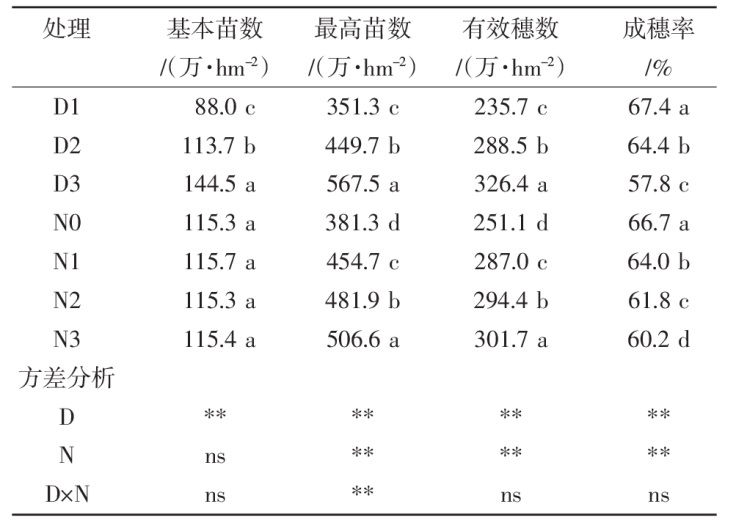
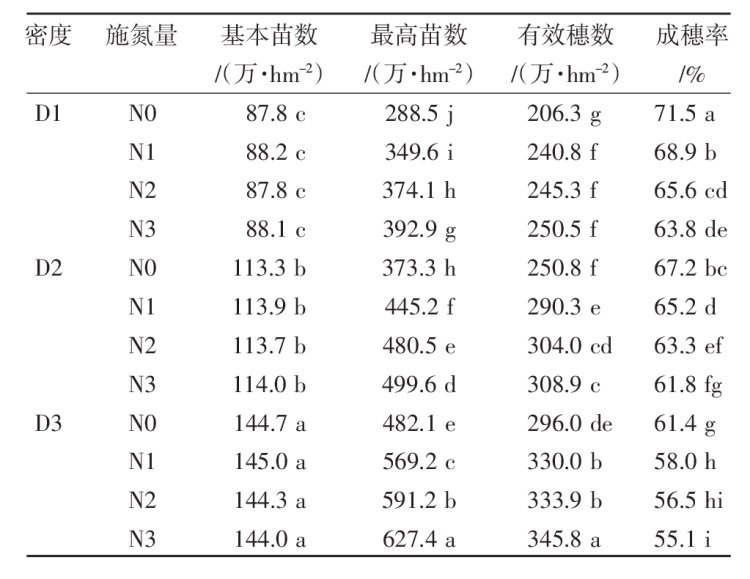
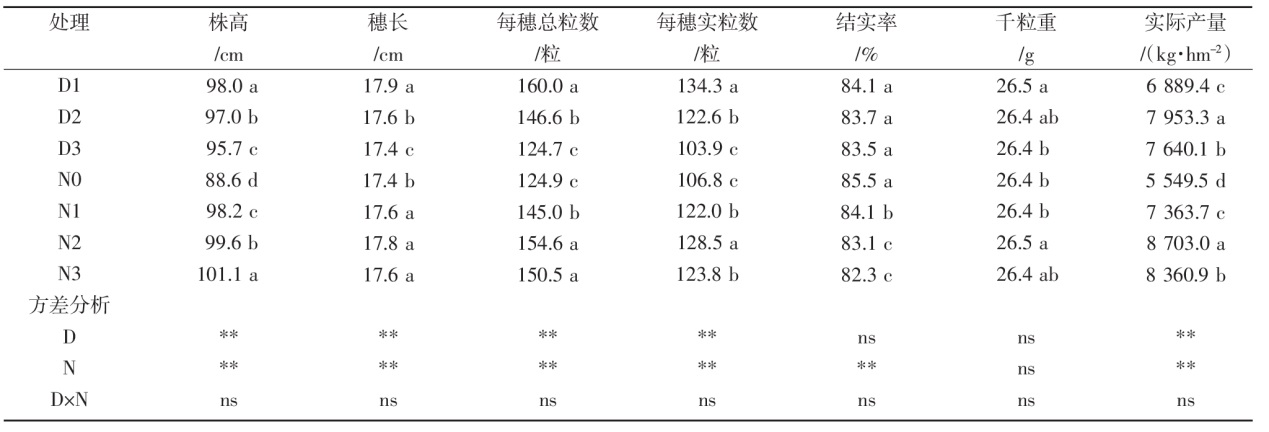
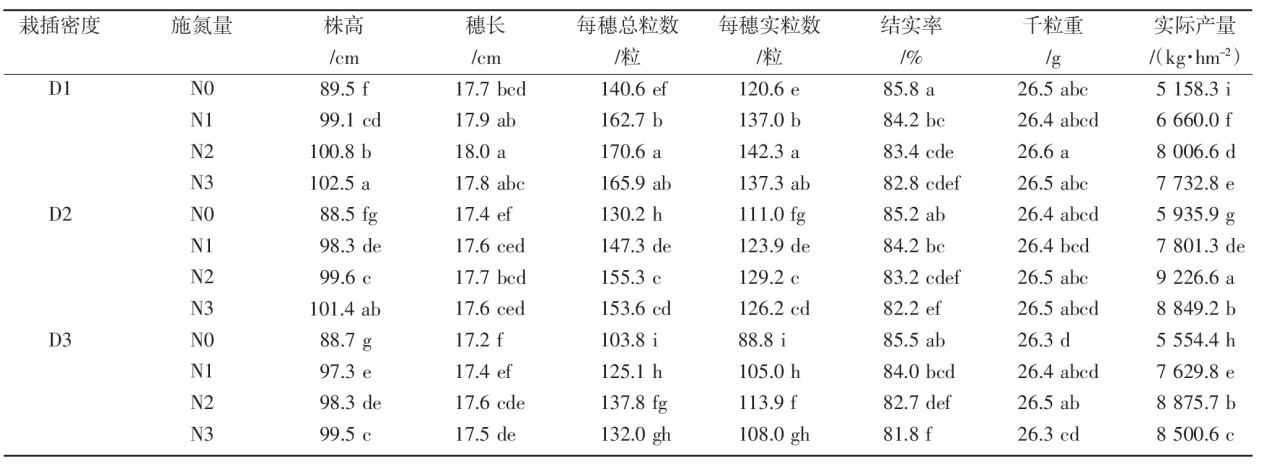
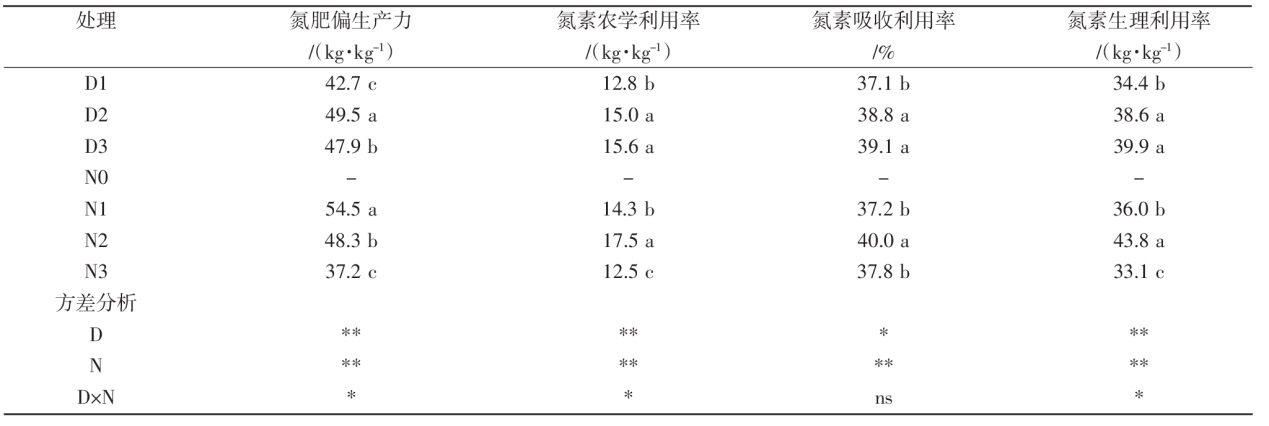
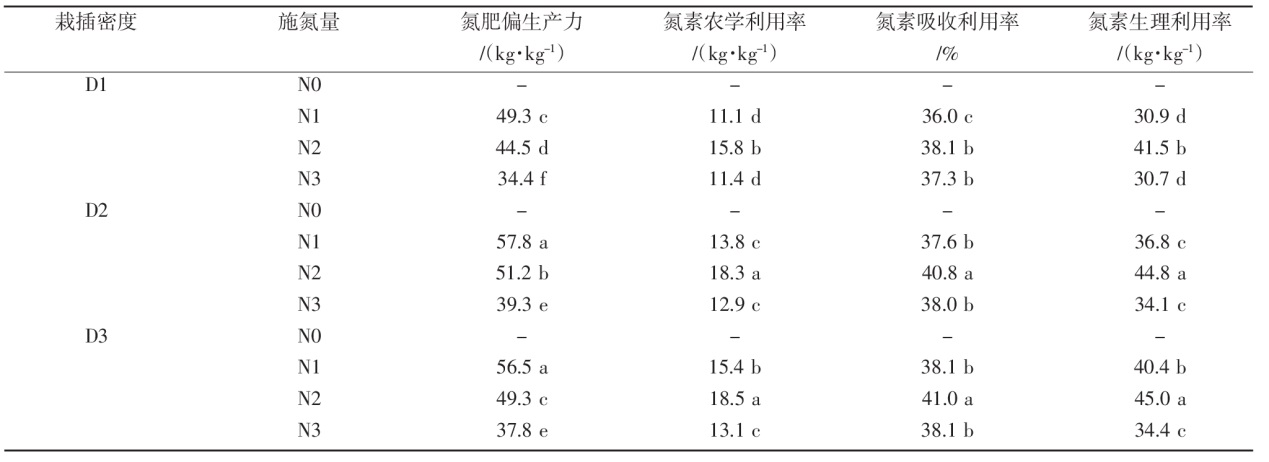
中组237是中国水稻研究所选育的常规早籼稻新品种,谷粒长宽比2.0、直链淀粉含量27.4%、胶稠度55.5 mm、碱消值5.1 级,出粉率高且胶稠度适中,主要米质指标符合米粉专用稻三级标准,适合米粉加工和储备粮收储,市场欢迎度高,提高该品种产量水平,将有力助推粮企增效、农民增收。为充分发挥中组237高产潜力和提高其氮肥利用率,开展了不同栽插密度和施氮量对比试验。试验设置3个栽插密度处理(22.2、28.6和36.4 万穴/hm2)和4个施氮量处理(0、150.0、195.0和240.0 kg/hm2)。结果表明,施氮量和栽插密度均会对中组237产量、产量构成因子和氮肥利用率产生显著影响。随施氮量和栽插密度的增加,中组237产量呈先升高后降低趋势;随着施氮量升高,中组237氮肥农学利用率、生理利用率和吸收利用率先升高后降低,而氮肥偏生产力显著下降;随着栽插密度升高,中组237氮素农学利用率、生理利用率和吸收利用率呈逐渐升高趋势,而氮肥偏生产力先增加后降低。综合考虑水稻产量和氮肥利用率,本研究中施氮量195.0 kg/hm2、栽插密度28.6 万穴/hm2的处理产量构成因子最协调,产量最高,达9 226.6 kg/hm2

关键词: 米粉专用稻, 中组237, 栽插密度, 施氮量, 产量, 氮肥利用率

Abstract:

Zhongzu 237 is a new conventional early indica rice variety bred by the China National Rice Research Institute. It features a length-to-width ratio of 2.0, an amylose content of 27.4%, a gel consistency of 55.5 mm, and an alkali elimination value of 5.1. With a high flour yield and moderate gel consistency, its main rice quality indicators meet the third-level standard for rice varieties for specialized for rice noodle production. It is very suitable for rice noodles processing and reserve grain storage, enjoying high market acceptance. Improving the yield level of this variety will significantly boost the financial efficiency of grain enterprises and farmers. In order to maximize the high-yield potential of Zhongzu 237 and improve its nitrogen use efficiency, a comparative experiment was conducted with different planting densities and nitrogen application rates. 3 planting density treatments (22.2, 28.6, and 36.4 ×10⁴ hills/hm2) and four nitrogen application rate treatments (0, 150, 195, and 240 kg/hm2) were established. The results showed that both nitrogen application rate and planting density significantly affected the yield, yield components, and nitrogen use efficiency of Zhongzu 237. With the increase of nitrogen application rate and planting density, the yield of Zhongzu 237 initially increased and then decreased. As nitrogen application rate increased, the agronomic efficiency, physiological efficiency and absorption efficiency of nitrogen fertilizer of Zhongzu 237 first increased and then declined, while the partial factor productivity of nitrogen (PFPN) significantly decreased. As planting density increased, the agronomic efficiency, physiological efficiency, and absorption efficiency of nitrogen of Zhongzu 237 gradualy increased, while PFPN first increased and then decreased. Considering both grain yield and nitrogen use efficiency, the most balanced yield components were achieved in this study with a nitrogen application rate of 195.0 kg/hm2 and a planting density of 286 000 hills/hm2 with the higest yield of 9 226.6 kg/hm2.

Key words: rice noodle variety, Zhongzu 237, planting density, nitrogen application rate, yield, nitrogen use efficiency

中图分类号: