
中国稻米 ›› 2026, Vol. 32 ›› Issue (1): 82-88.DOI: 10.3969/j.issn.1006-8082.2026.01.014
邓艳君1( ), 黄永平1,*(), 叶佩1, 刘凯文2,*(), 刘敏1
收稿日期:2025-09-11
出版日期:2026-01-20
发布日期:2026-01-13
通讯作者:
*339081184@qq.com;作者简介:第一作者:570517642@qq.com
基金资助:
DENG Yanjun1(), HUANG Yongping1,*(), YE Pei1, LIU Kaiwen2,*(), LIU Min1
Received:2025-09-11
Published:2026-01-20
Online:2026-01-13
About author:1st author: 570517642@qq.com
摘要:
“江汉大米”作为湖北省重点培育的省域公用品牌,肩负着推动湖北稻米产业由“大”向“强”转型的重要使命。其核心产区——江汉平原,凭借得天独厚的温、光、水等气候资源禀赋,以及稻渔共生等生态综合种养模式的创新实践,成为湖北优质水稻主产区。在全球气候变暖的大趋势下,江汉平原成为湖北近60年来升温最为显著的区域。气候变暖带来双重影响:一方面,积温增加延长了水稻适宜生长期,有利于产量提高,中晚熟品种的种植边界向北和向西拓展;另一方面,暴雨洪涝、干旱缺水及高温热害等极端气候事件频发,严重影响水稻产量和品质的稳定性。本文基于气候视角的系统分析,揭示了“江汉大米”产业发展的气候机遇与风险挑战:一是水稻品种对“暖湿化”气候的适应性差异,部分品种面临生育期缩短、病虫害加剧风险;二是优质米形成关键期(灌浆结实期)对高温胁迫的敏感性,直接影响稻米外观品质和食味值;三是气候变暖引发的种植制度变革需求,传统熟制与品种搭配面临重构压力。针对上述问题,本文提出三大战略路径:一是构建“江汉大米”品种选育与迭代体系,重点培育耐高温、抗倒伏、优质稳产的新品种;二是优化产业气候适应性空间布局,建立基于气候区划的“品种-区域-技术”匹配机制;三是创新气象风险减量与保险服务模式,开发覆盖全产业链的气候指数保险产品,构建“灾前预警-灾中响应-灾后补偿”的闭环管理体系。
中图分类号:
邓艳君, 黄永平, 叶佩, 刘凯文, 刘敏. 气候视角下“江汉大米”的生产优势、风险及对策[J]. 中国稻米, 2026, 32(1): 82-88.
DENG Yanjun, HUANG Yongping, YE Pei, LIU Kaiwen, LIU Min. Production Advantages, Risks, and Countermeasures of “Jianghan Rice” by a Climatic Perspective[J]. China Rice, 2026, 32(1): 82-88.
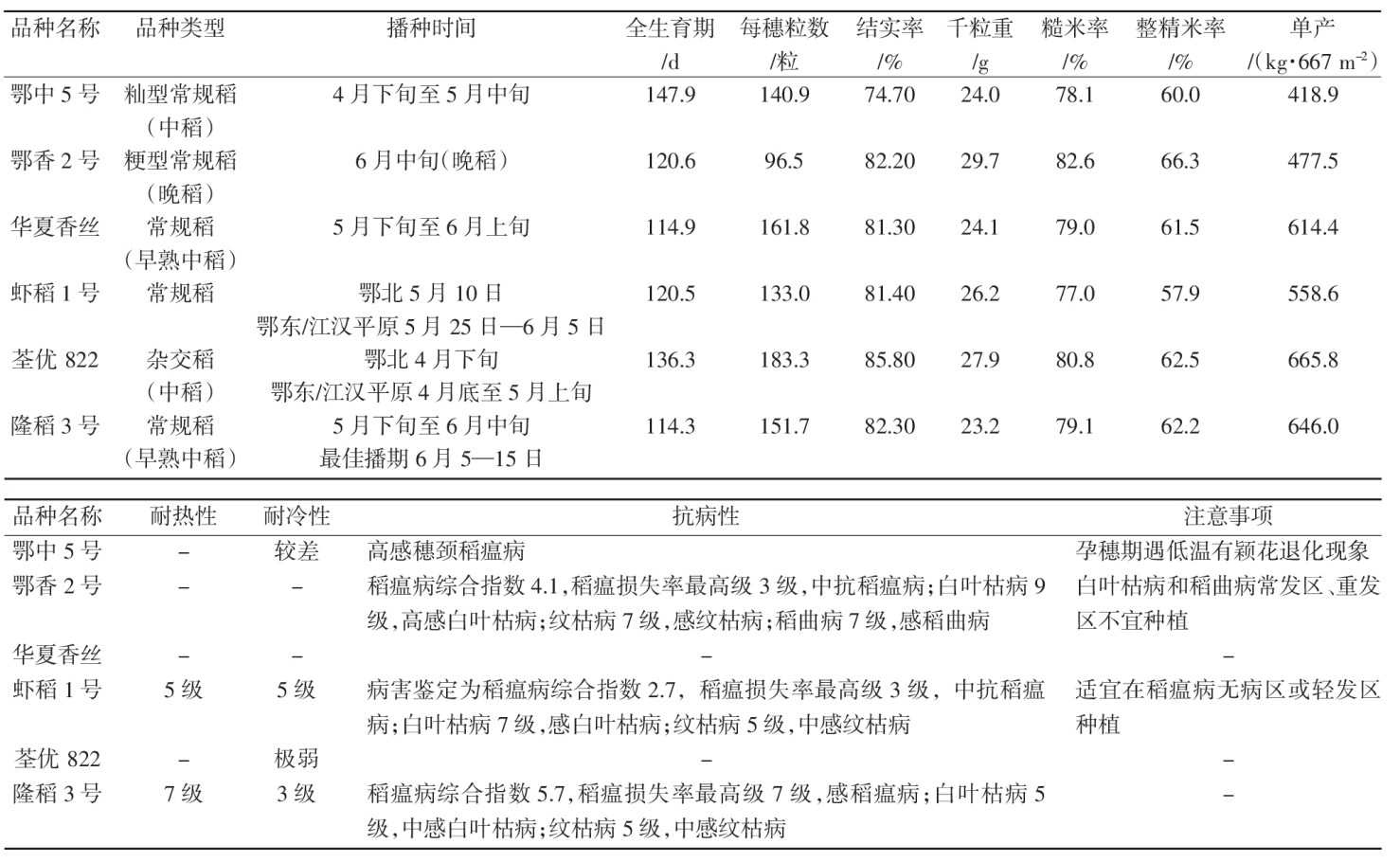 |
表1 2024 年度“江汉大米”主导品种特征特性
| |
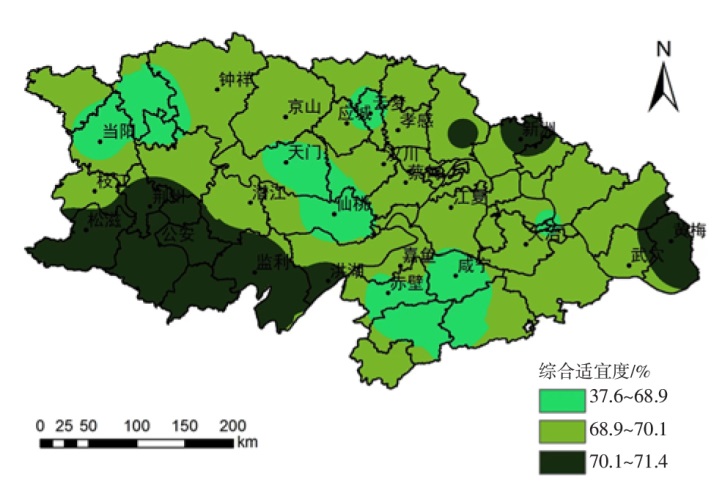
图1 “江汉大米”生产区水稻温光水综合适宜度空间分布图
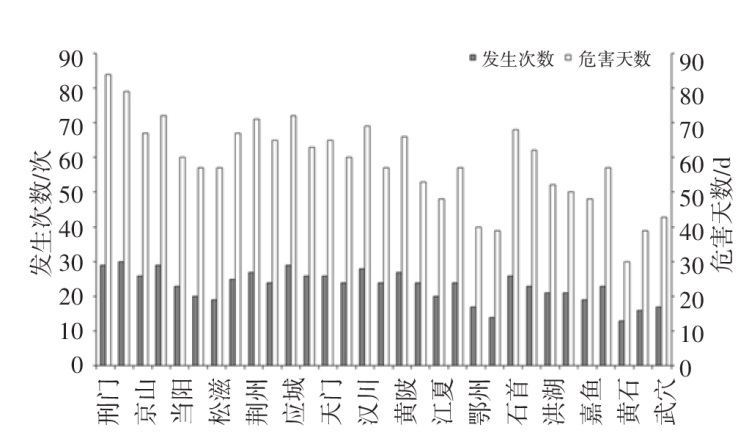
图2 1965—2024年“江汉大米”生产地播种期低温冷害发生情况统计
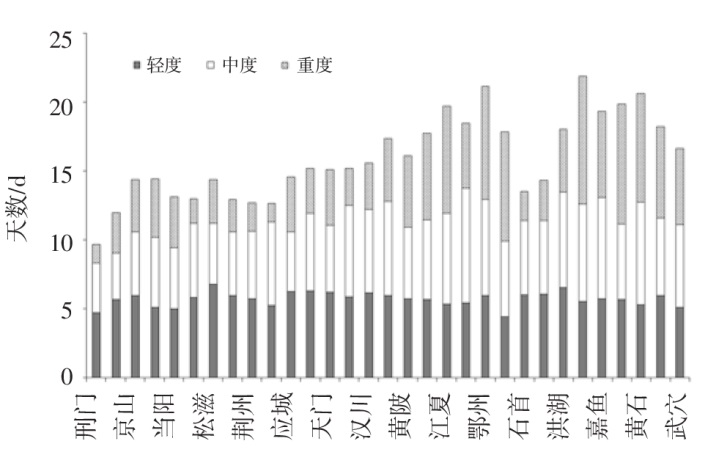
图3 1965—2024年“江汉大米”生产地高温热害年平均发生情况
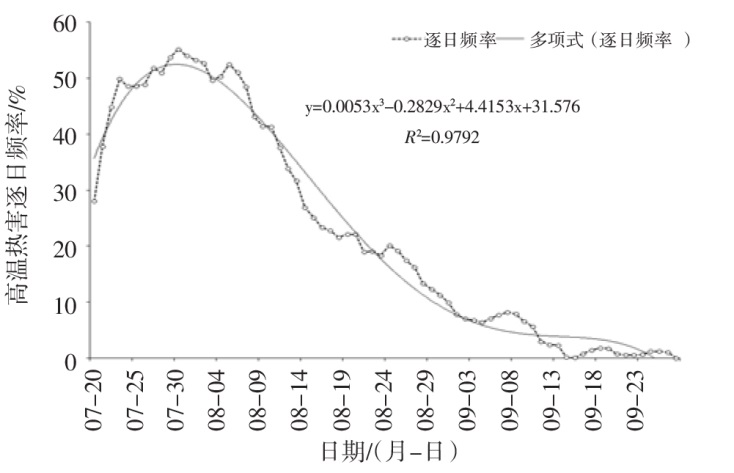
图4 1965—2024年“江汉大米”生产地抽穗扬花期-灌浆成熟期高温热害逐日发生频率
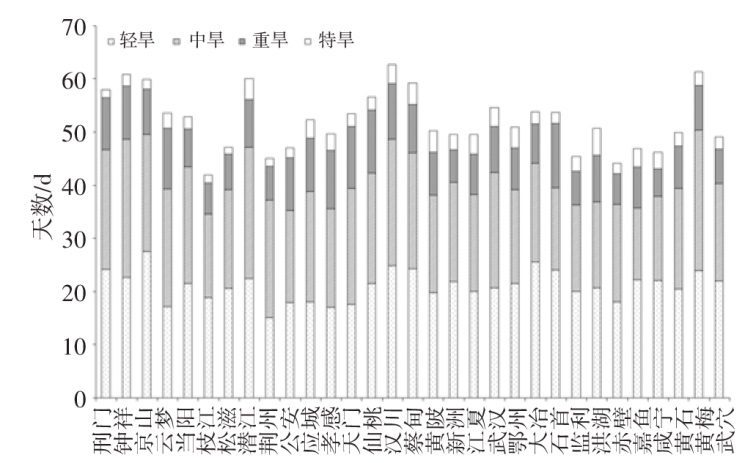
图5 1965—2024年“江汉大米”生产地中稻生长期平均干旱天数统计
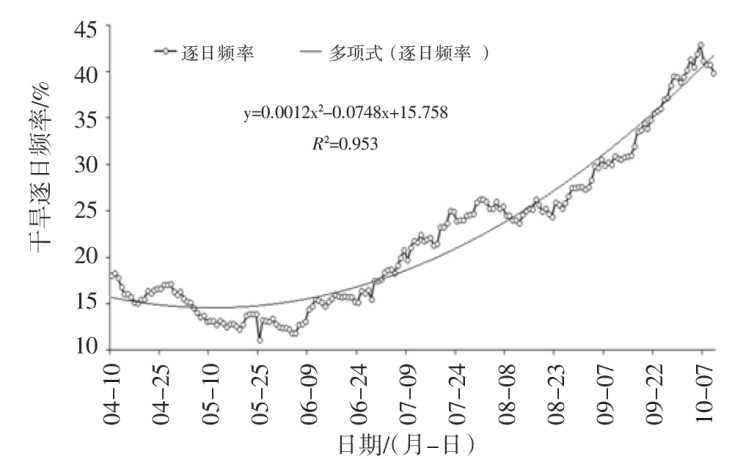
图6 1965—2024年“江汉大米”生产地中稻生长期逐日干旱发生频率
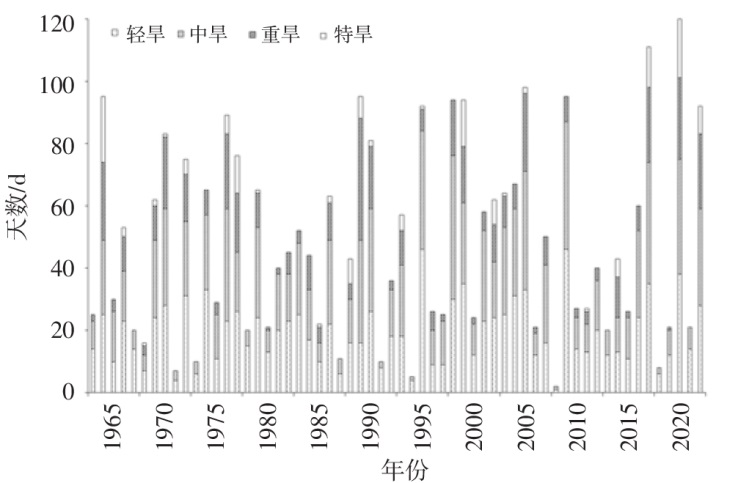
图7 1965—2024年“江汉大米”生产地中稻生长期干旱年际变化
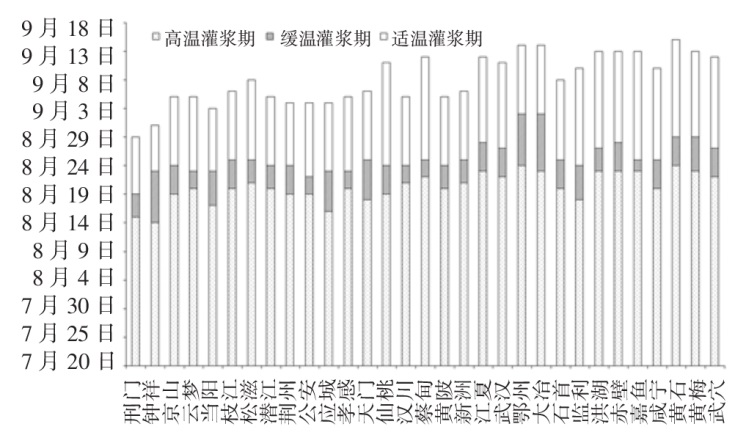
图8 “江汉大米”生产地高温、缓温和适温灌浆期起止时间及其分布
| [1] | 张姣, 胡庆芳, 黄璟胜, 等. 基于ITA法和Mann-Kendall法的漓江流域极端降水变化解析[J]. 河海大学学报(自然科学版), 2024, 52(6):15-22. |
| [2] | 李春黎, 车灵毓, 罗军红, 等. 宜都市近30年气候变化特征及对农业生产的影响[J]. 人民长江, 2024, 55(suppl1):26-28. |
| [3] | 陈思济. 1991—2020年郫都区的气候变化特征分析[J]. 农业灾害研究, 2024, 14(6):190-192. |
| [4] | 施宇. 极端天气事件对粮食生产的影响及其缓解途径——不同经济发展水平国家的案例分析[D]. 杨凌: 西北农林科技大学, 2023. |
| [5] | 营艺伟, 付瑾, 周丰. 极端降水对水稻产量的影响研究综述[J]. 地理科学进展, 2021, 40(10):1 746-1 760. |
| [6] | 邵奇慧. 基于遥感的江汉平原稻田时空变化及其对干旱的响应研究[D]. 北京: 中国科学院大学(中国科学院精密测量科学与技术创新研究院), 2023. |
| [7] | 刘凯文, 江汉平原稻虾种养农田冬春季小气候特征与水热平衡研究[D]. 荆州: 长江大学, 2023 |
| [8] | 赵振东, 刘金宇, 曹正男, 等. 宝清县近40年气候变化及水稻生产适用品种试验[J]. 中国稻米, 2023, 29(2):116-119. |
| [9] | 李满春, 杜聪, 美朋辉, 等. 土地系统演变与气候变化耦合的中国未来水稻潜在产量模拟研究[J]. 中国科学:地球科学, 2023, 53(8):1 795-1 807. |
| [10] | 周泽羽. 气候变化对中国水稻生产的影响及其适应措施[D]. 杨凌: 西北农林科技大学, 2023. |
| [11] | 罗孳孳, 方立魁, 武强, 等. 四川盆地东部再生稻高温伏旱区腋芽萌发期气象适宜度[J]. 气象, 2024, 50(4):461-474. |
| [12] | 高红霞, 孙荣宇, 李倩文. 内蒙古兴安盟水稻气候适宜度模型构建及检验[J]. 北方水稻, 2023, 53(6):20-24. |
| [13] | 郝玲, 任曙霞, 张佩, 等. 基于气候适宜度的水稻产量动态预报模型[J]. 江西农业学报, 2023, 35(8):1-7. |
| [14] | 莫申萍, 蒙小寒, 梁虹, 等. 气候变化背景下贵港市晚稻气候适宜度的变化特征[J]. 热带农业科学, 2022, 42 (6):121-125. |
| [15] | 王杏锋, 李代超, 吴升, 等. 水稻种植环境综合适宜性评价方法研究[J]. 地球信息科学学报, 2021, 23(8):1 484-1 496. |
| [16] | 胡春丽, 陈鹏狮, 王婉昭, 等. 辽宁省水稻气候适宜度变化特征及其对区域气候变暖的响应[J]. 江西农业学报, 2021, 33 (7):13-18. |
| [17] | 杨青青, 穆麒麟, 刘越, 等. 湖北省优质稻适宜栽培期的区划研究[J]. 长江流域资源与环境, 2024, 33(8):1 822-1 832. |
| [1] | 王花, 褚光. 黔东南山区县水稻大面积单产提升的实践与思考——以台江县为例[J]. 中国稻米, 2026, 32(1): 1-5. |
| [2] | 林志坚, 林成豹, 唐江霞, 邓则勤, 黄显波, 苏荣理. 聚合Bph14、Bph15基因水稻对褐飞虱的抗性研究[J]. 中国稻米, 2026, 32(1): 102-106. |
| [3] | 张翯, 施佳炜, 高健苗, 薛占奎, 傅丽青, 刘凯丽. 不同密度和施氮量对米粉专用稻品种中组237产量及氮肥利用率的影响[J]. 中国稻米, 2026, 32(1): 107-112. |
| [4] | 周宇杰, 骆琴, 李润景, 曹子建, 蒋楠. 腐殖酸提高噁霉灵抑制水稻立枯病的作用效果研究[J]. 中国稻米, 2026, 32(1): 113-117. |
| [5] | 陈杰, 王高锋. “嘉兴大米”品牌建设的瓶颈与对策研究[J]. 中国稻米, 2026, 32(1): 118-122. |
| [6] | 商全玉, 刘猷红, 林婧燕, 刘安晋, 王松, 张文忠. 气候变化背景下的高纬高寒地区水稻产业发展策略与适应性研究[J]. 中国稻米, 2026, 32(1): 12-15. |
| [7] | 孙宇燕, 李欣, 崔晓红. 兴安盟水稻新品种培育与优质稻米产业发展分析[J]. 中国稻米, 2026, 32(1): 123-126. |
| [8] | 张满利, 郑文静. 北方杂交粳稻50年发展与展望[J]. 中国稻米, 2026, 32(1): 16-20. |
| [9] | 李宙炜, 尹乾宇, 叶昌荣, 程计华, 王思哲, 陈海龙, 黎长红, 张砚, 龙宇, 蔡珊珊, 吴云天, 贾高峰, 田冰川. 水稻种质资源低镉积累和耐旱性鉴定及基因挖掘[J]. 中国稻米, 2026, 32(1): 20-25. |
| [10] | 牛付安, 张安鹏, 程灿, 孙滨, 储黄伟, 周继华, 代雨婷, 张建明, 方军, 谢开珍, 曹黎明. 耐盐碱水稻遗传改良研究进展与展望[J]. 中国稻米, 2026, 32(1): 26-29. |
| [11] | 庄海峰, 林洲洋, 饶聪, 池永清. 秸秆猪粪共热解生物炭对土壤肥力及水稻产量的影响[J]. 中国稻米, 2026, 32(1): 30-38. |
| [12] | 张翔, 耿孝宇, 汪璐璐, 马唯一, 左博源, 朱济邹, 刘洋, 盛小洲, 高平磊, 陈英龙, 韦还和, 戴其根. 有机肥施用对盐碱地土壤理化特性和水稻生长发育的影响[J]. 中国稻米, 2026, 32(1): 39-46. |
| [13] | 辛雨薇, 曹铁华, 李善龙, 赵鑫, 李涛, 李雨桐, 杨宇桐, 梁烜赫. 有机无机肥配施对冷凉区水稻生长与土壤养分变化的长期定位研究[J]. 中国稻米, 2026, 32(1): 47-54. |
| [14] | 宫彦龙, 雷月, 王忠妮, 朱速松. 生物有机肥配施氮肥对大粒香稻米品质性状的影响及其与穗型指数的关系[J]. 中国稻米, 2026, 32(1): 55-63. |
| [15] | 陈亮, 陈勇, 袁驰, 曹厚明, 罗涛. 西南丘陵地区水稻优质高产种植技术集成与创新——以四川省资中县为例[J]. 中国稻米, 2026, 32(1): 6-11. |
| 阅读次数 | ||||||
|
全文 |
|
|||||
|
摘要 |
|
|||||
