中国稻米 ›› 2026, Vol. 32 ›› Issue (4): 91-96.DOI: 10.3969/j.issn.1006-8082.2026.04.015

• 品种与技术 • 上一篇    下一篇

基于SNP标记和表型的吉林省水稻主导品种遗传多样性研究

金成海(), 李佳, 严永峰, 陈莫军, 齐春艳, 孟凡梅, 朴日花*()   

  1. 吉林省农业科学院 水稻研究所, 吉林 公主岭 136100
  • 收稿日期:2026-01-29 出版日期:2026-07-20 发布日期:2026-07-14
  • 通讯作者: *prh78@163.com
  • 作者简介:

    第一作者:jinchhai77@126.com

  • 基金资助:
    吉林省科学技术厅三江实验室项目(SJ2025002);国家现代农业产业技术体系项目(CARS-01-19)

Genetic Diversity Analysis of Leading Rice Varieties in Jilin Province Based on SNP Markers and Phenotypic Traits

JIN Chenghai(), LI Jia, YAN Yongfeng, CHEN Mojun, QI Chunyan, MENG Fanmei, PIAO Rihua*()   

  1. Rice Research Institute, Jilin Academy of Agricultural Sciences, Gongzhuling, Jilin 136100, China

摘要:

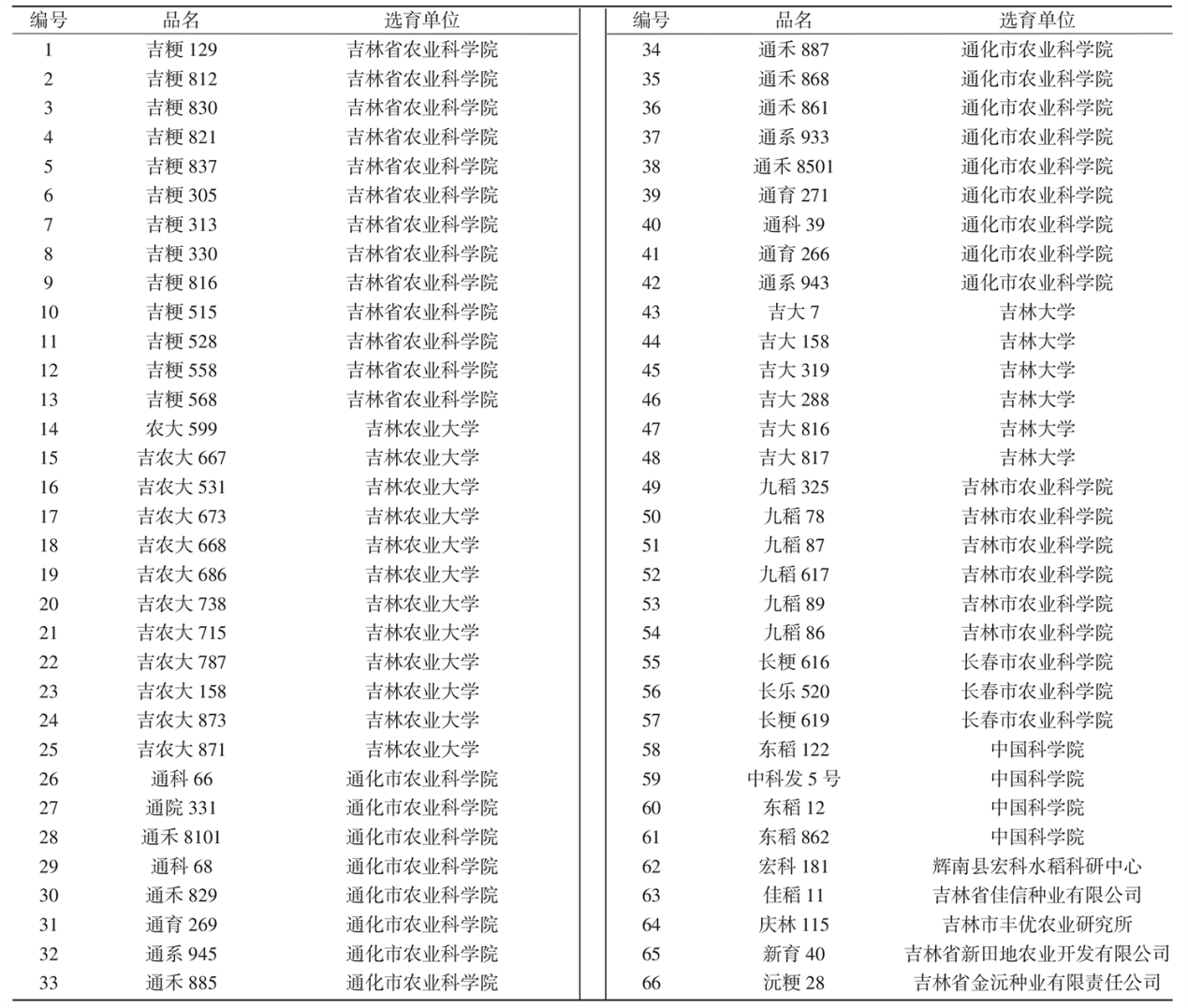
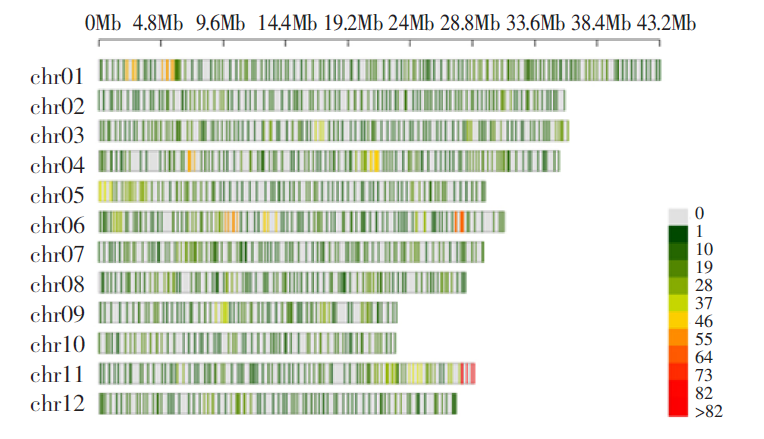
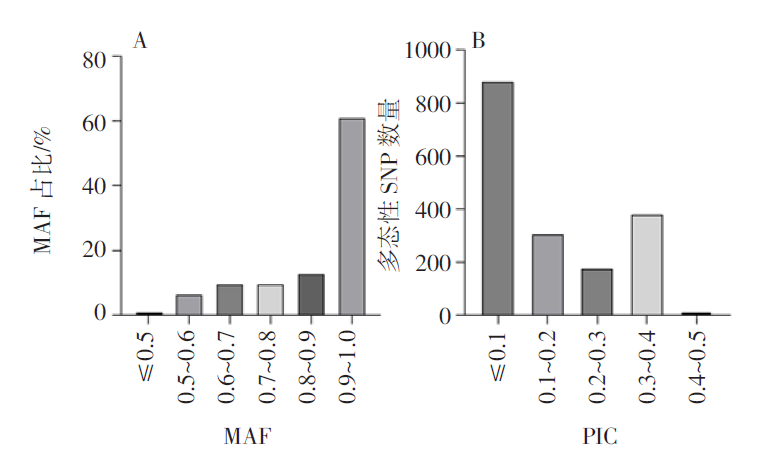
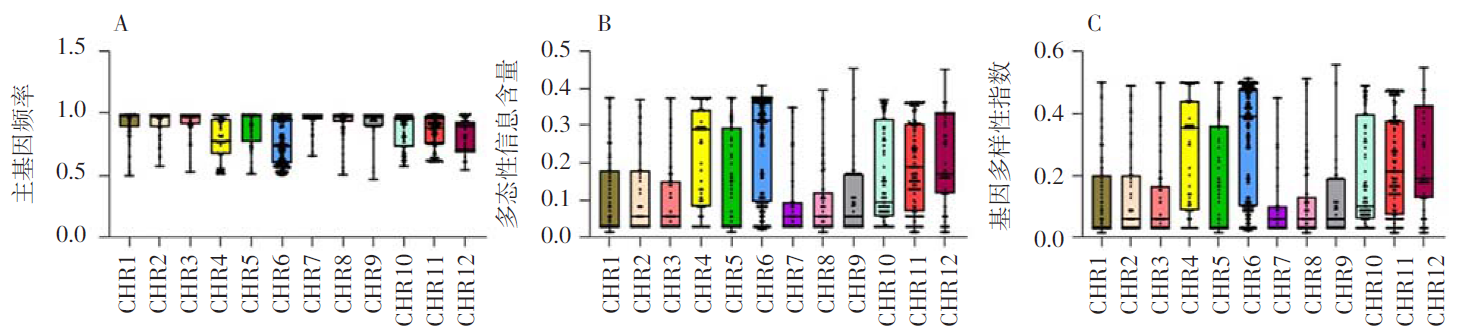
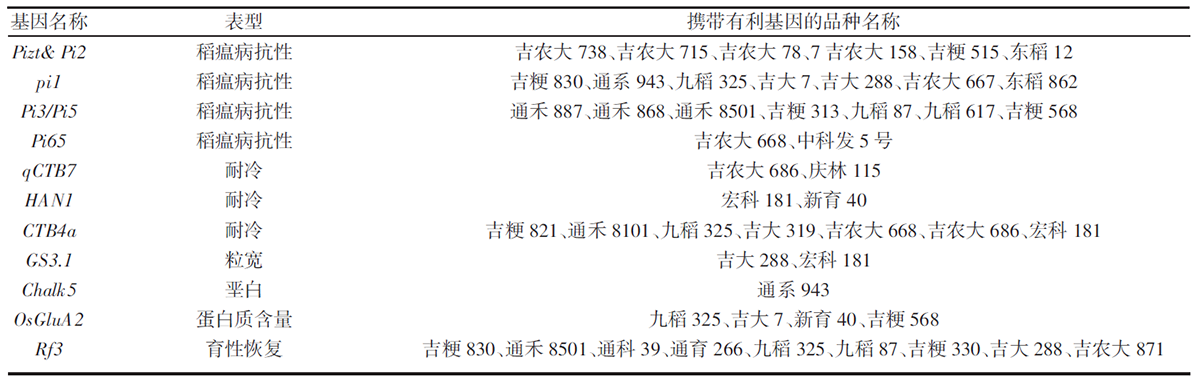
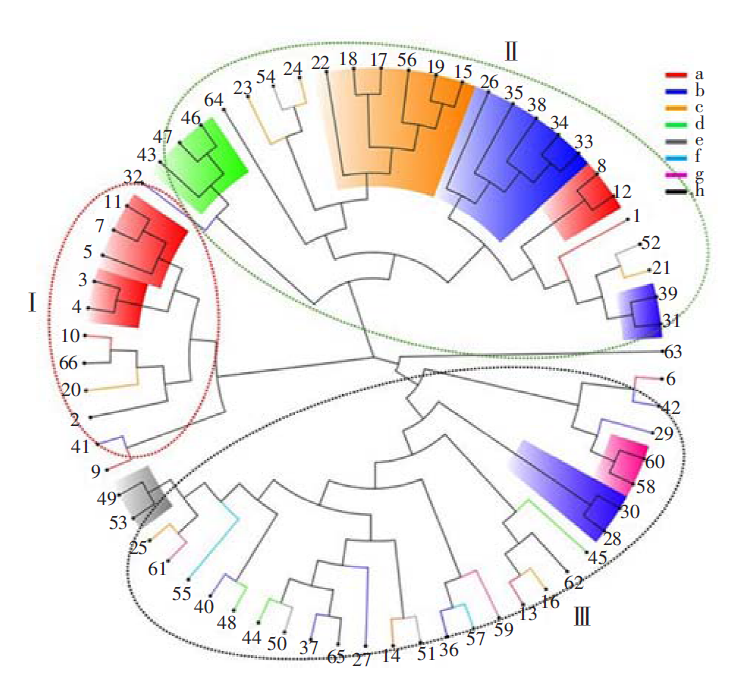
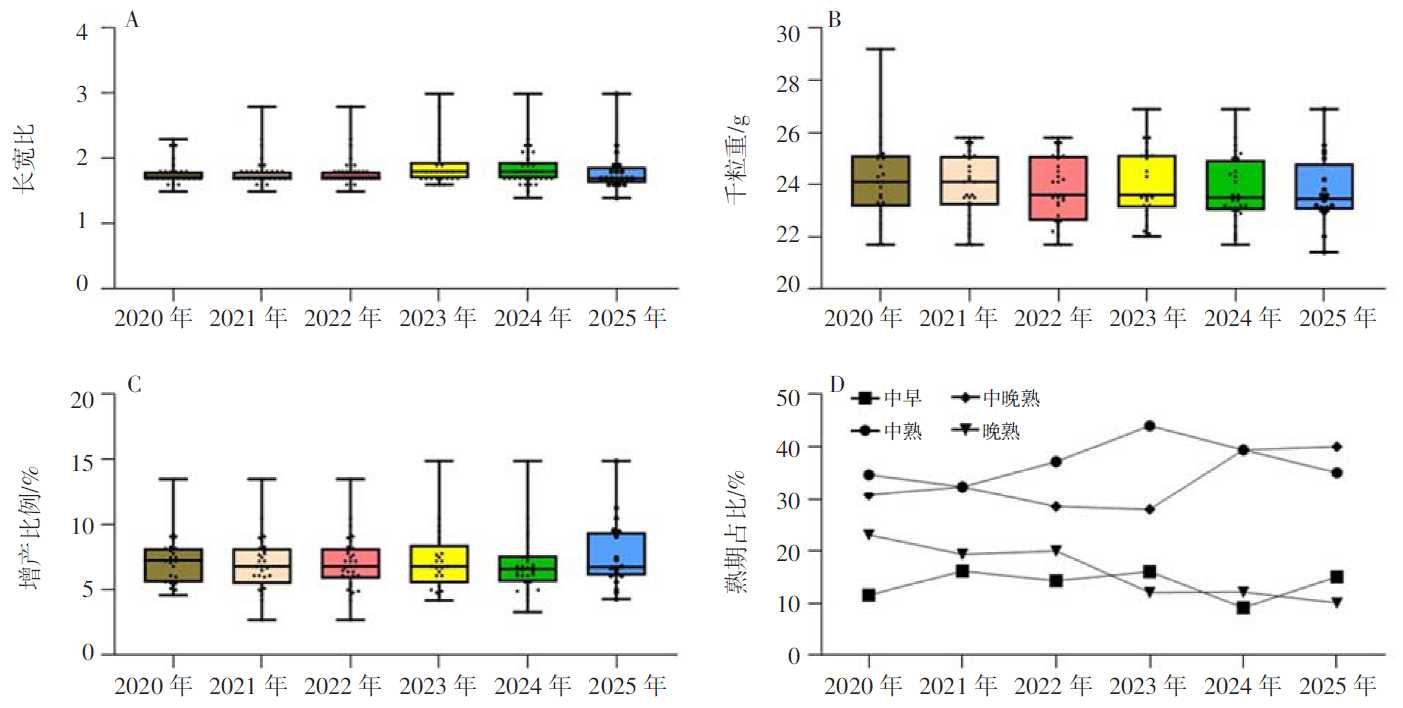
为明确吉林省水稻主导品种的遗传多样性特征,本研究以2020—2025年吉林省审定的66个水稻主导品种为试验材料,利用全基因组1.5K SNP芯片技术结合农艺性状系统鉴定,系统解析其遗传多样性水平、粳型指数、功能基因型及表型特征。结果表明,经1.5K SNP芯片检测共获得3 703个有效SNP位点,其中多态性位点占比为47.15%;基因多样性指数(GD)均值为0.183,多态性信息含量(PIC)均值为0.152,整体呈现较低的多态性水平,遗传基础相对狭窄。籼粳血缘分析显示,所有品种的粳型指数介于0.770~1.000之间,平均值为0.914,以典型粳稻遗传背景为主,仅少数品种含有少量籼稻血缘。功能基因分析发现,供试品种普遍缺失Pi65等抗病基因、qCTB7等耐冷基因及Chalk5等品质相关基因的有利等位变异。聚类分析将66个品种划分为3个类群,表现出选育单位内部聚合与跨单位混合聚集并存的遗传结构特征。农艺性状方面,近年来主导品种在产量水平和粒型结构上尚未实现显著突破,晚熟品种所占比例呈下降趋势。本研究结果为吉林省水稻品种选育方向的优化与调整提供了科学依据。

关键词: 水稻, SNP标记, 表型, 遗传多样性

Abstract:

To clarify the genetic diversity characteristics of dominant rice varieties in Jilin Province, this study used 66 dominant rice varieties approved in Jilin from 2020 to 2025 as experimental materials. By combining whole-genome 1.5K SNP chip technology with systematic agronomic trait evaluation, we systematically analyzed their genetic diversity level, japonica indica index, functional gene genotypes, and phenotypic traits. The results showed that a total of 3 703 valid SNP loci were detected using the 1.5K SNP chip, of which polymorphic loci accounted for 47.15%. The mean values of the gene diversity index (GD) and polymorphism information content (PIC) were 0.183 and 0.152, respectively, indicating a relatively low level of polymorphism and a narrow genetic base. Analysis of japonica-indica lineage revealed that the japonica indica index of all varieties ranged from 0.770 to 1.000, with an average of 0.914, showing a typical japonica genetic background, while only a few varieties contained a small proportion of indica lineage. Functional gene analysis found that the tested varieties generally lacked favorable alleles of disease resistance genes such as Pi65, cold tolerance genes such as qCTB7, and quality-related genes such as Chalk5. Cluster analysis divided the 66 varieties into three groups, reflecting a genetic structure characterized by both intra-unit clustering and inter-unit mixed clustering. In terms of agronomic traits, recent dominant varieties have not achieved significant breakthroughs in yield or grain shape, and the proportion of late-maturing varieties has shown a downward trend. The findings of this study provide a scientific basis for optimizing and adjusting the direction of rice variety breeding in Jilin Province.

Key words: rice, SNP markers, phenotypic traits, genetic diversity

中图分类号: