中国稻米 ›› 2026, Vol. 32 ›› Issue (4): 111-115.DOI: 10.3969/j.issn.1006-8082.2026.04.019

• 品种与技术 • 上一篇    下一篇

水稻集中育供秧技术及不同抛秧方式应用研究

张珍2(), 陈惠哲1, 张玉屏1, 向镜1, 张义凯1, 徐逸文1, 王亚梁1, 王志刚1,*()   

  1. 1 中国水稻研究所, 杭州 310006
    2 金华市农业科学研究院, 浙江 金华 321000
  • 收稿日期:2026-04-22 出版日期:2026-07-20 发布日期:2026-07-14
  • 通讯作者: *zgwang212@126.com
  • 作者简介:

    第一作者:1961789737@qq.com

  • 基金资助:
    国家重点研发计划项目(2023YFD2301404);浙江省自然科学基金(ZCLQN25D0302);中央级公益性科研院所基本科研业务费专项;国家水稻产业技术体系资助项目(CARS-01-21)

Study on Centralized Seedling Raising and Supply Technology and Application of Different Rice Throwing Methods

ZHANG Zhen2(), CHEN Huizhe1, ZHANG Yuping1, XIANG Jing1, ZHANG Yikai1, XU Yiwen1, WANG Yaliang1, WANG Zhigang1,*()   

  1. 1 China National Rice Research Institute, Hangzhou 310006
    2 Jinhua Agricultural Science Research Institute, Jinhua, Zhejiang 321000, China

摘要:

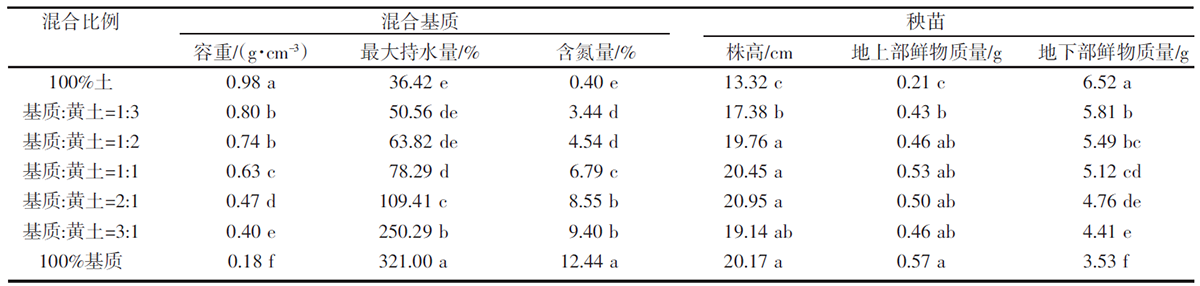
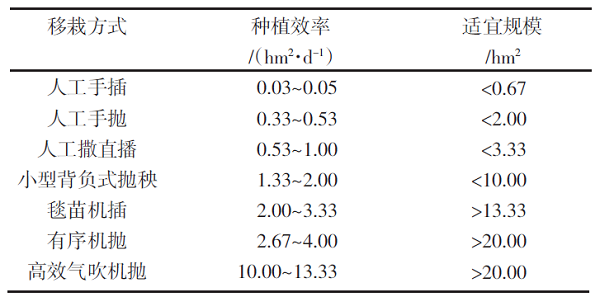
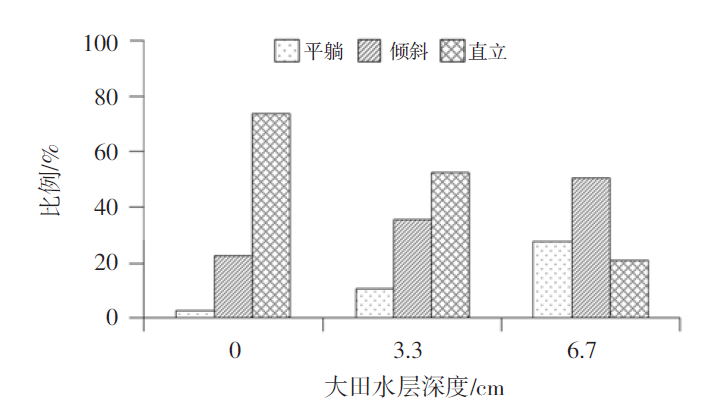
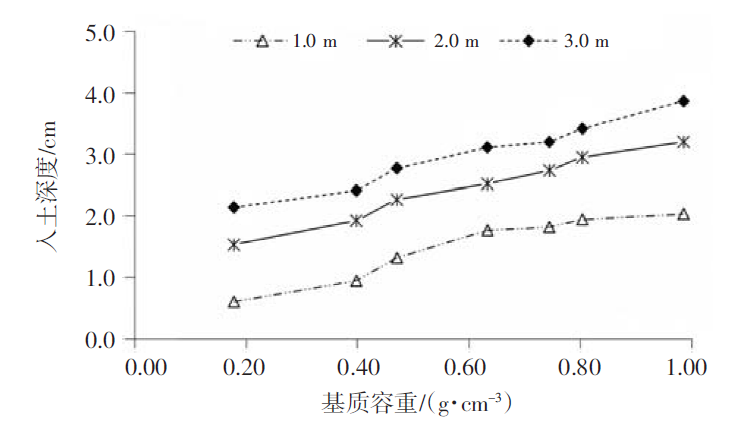
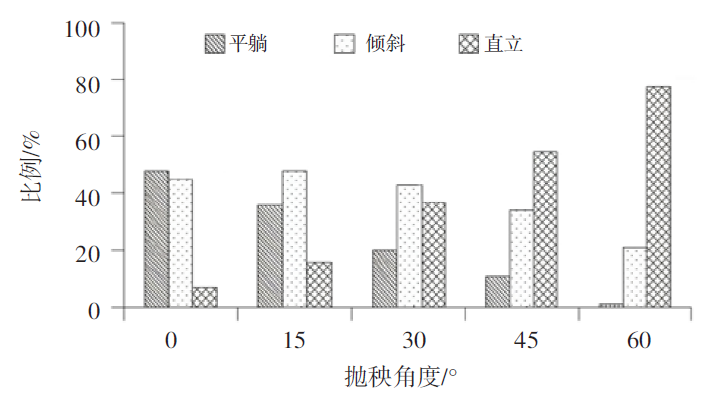
水稻抛秧是南方稻区主要轻简化种植方式之一,快速立苗是其高产稳产的核心环节。本文梳理了我国水稻种植方式的演变历程,对比分析抛秧相较于人工手插、机插、直播的综合优势;围绕集中育供秧、立苗调控、抛栽作业三大核心环节,系统开展基质配比、播种量、叠盘出苗、秧苗管理、大田整地、水层管控、抛秧高度与角度等试验研究。结果表明,育秧基质按黄土∶基质体积比 1∶1~2∶1 配制,容重控制在0.6~0.8 g/cm3、播种后盖土0.5 cm,所育秧苗素质优;杂交稻每穴播 2~3 粒、常规稻每穴播3~4 粒可兼顾成苗率与秧苗质量;硬质钵盘叠盘出苗(温度 30 ℃~32 ℃、相对湿度90.0%)可显著提升成苗均匀度。抛栽大田需做到田平泥烂、水层≤3.3 cm;上抛型抛秧,抛秧角度控制在30°以上,可大幅提高直立苗比例。根据种植规模、田块条件与劳动力情况,可分别选用人工手抛、小型背负式抛秧机、大型有序/气吹式抛秧机等方式。同时明确了不同茬口适宜秧龄、秧田管护、大田肥水及病虫害综合防控技术。本研究形成一套完整的水稻抛秧集中育供秧与抛栽技术体系,可为南方双季稻区及丘陵、低洼特殊田块水稻轻简高效生产提供技术参考。

关键词: 水稻, 抛秧, 集中育供秧, 立苗调控, 秧苗素质, 轻简化栽培

Abstract:

Rice throwing (seedling broadcasting) has become one of the predominant simplified cultivation method in the southern rice cropping regions of China, wherein rapid seedling establishment is a critical determinant for achieving high and stable yields. This study reviewed the evolution of rice planting methods in China and comparatively analyzed the comprehensive advantages of rice throwing over manual transplanting, mechanical transplanting, and direct seeding. Focusing on three core aspects—centralized seedling raising and supply, seedling establishment regulation, and throwing operations—systematic experiments were conducted on substrate ratios, sowing rates, stacked tray germination, seedling management, field preparation, water layer control, as well as throwing height and angle. The results indicated that the optimal seedling quality was achieved when the nursery substrate was formulated with a loess-to-substrate volume ratio of 1∶1 to 2∶1, a bulk density maintained at 0.6-0.8 g/cm3, and a covering soil depth of 0.5 cm after sowing. For seed allocation per hole, 2-3 seeds for hybrid rice and 3-4 seeds for conventional rice effectively balanced seedling emergence rate with seedling quality. Furthermore, using hard bowl trays for stacked germination under conditions of 30 ℃-32 ℃ and 90.0% relative humidity significantly improved the uniformity of seedling emergence. For field throwing, the soil surface should be leveled and softened, with the water layer maintained at ≤3.3 cm. Maintaining the throwing angle above 30° under upward seedling- throwing conditions could significantly increase the proportion of upright seedlings. Depending on the planting scale, field conditions, and labor availability, farmers can opt for manual throwing, small backpack throwers, or large-scale ordered/air-blown transplanters. Additionally, this study clarified the suitable seedling ages for different stubble types, along with integrated techniques for seedling field management, field fertilization, irrigation, and pest control. Consequently, a complete technical system for centralized seedling raising and throwing was established, providing a technical reference for efficient and simplified rice production in double-cropping areas of southern China, particularly for special terrains such as hilly and low-lying fields.

Key words: rice, seedling throwing, centralized seedling raising and supply, seedling establishment regulation, seedling quality, simplified cultivation

中图分类号: