中国稻米 ›› 2026, Vol. 32 ›› Issue (4): 97-101.DOI: 10.3969/j.issn.1006-8082.2026.04.016

• 品种与技术 • 上一篇    下一篇

水稻两系不育系信32061S特性、遗传分析及应用

韩容1, 沈光辉1, 扶定1,*(), 常幸远1, 霍二伟1, 张凯璇1, 徐士库1, 郭桂英1, 胡杨1, 李歌星1, 余林闯1, 陈庆明1, 陶丛旺2   

  1. 1 信阳市农业科学院, 河南 信阳 464000
    2 商城县农业农村局, 河南 商城 465350
  • 收稿日期:2026-01-28 出版日期:2026-07-20 发布日期:2026-07-14
  • 通讯作者: *fuding04@126.com
  • 基金资助:
    国家水稻产业技术体系建设专项资金(CARS-01);河南省现代农业产业技术体系建设专项资金(HARS-22-03);河南省重点研发专项(231111110500);河南省科技攻关项目(252102110261)

Characteristics, Genetic Analysis, and Application of the Rice Two-Line Sterile Line Xin 32061S

HAN Rong1, SHEN Guanghui1, FU Ding1,*(), CHANG Xingyuan1, HUO Erwei1, ZHANG Kaixuan1, XU Shiku1, GUO Guiying1, HU Yang1, LI Gexing1, YU Linchuang1, CHEN Qingming1, TAO Congwang2   

  1. 1 Xinyang Academy of Agricultural Sciences, Xinyang, Henan 464000, China
    2 Agricultural and Rural Bureau of Shangcheng County, Shangcheng, Henan 465350, China
  • Received:2026-01-28 Published:2026-07-20 Online:2026-07-14
  • Contact: *fuding04@126.com

摘要:

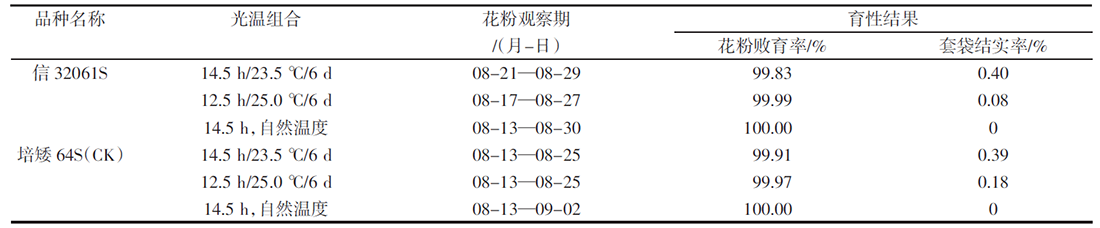
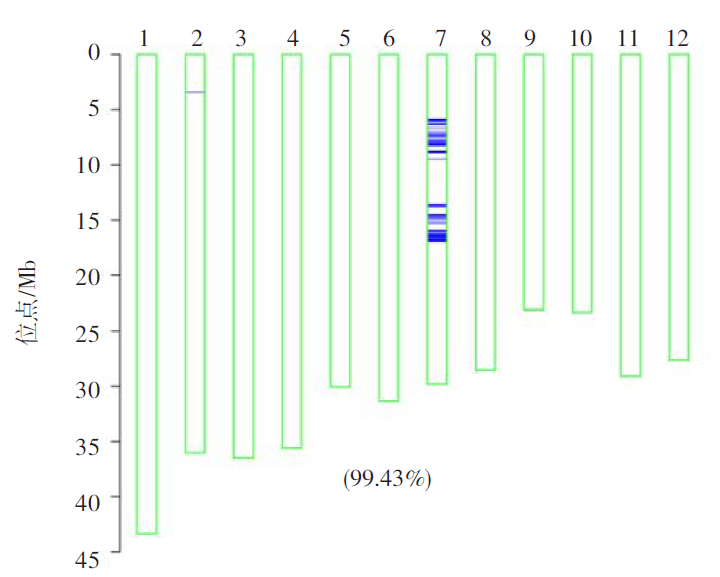
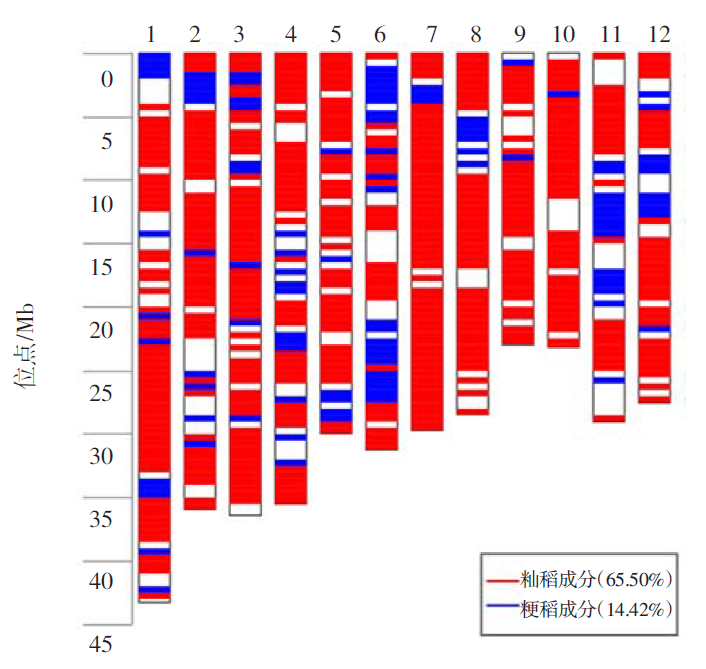
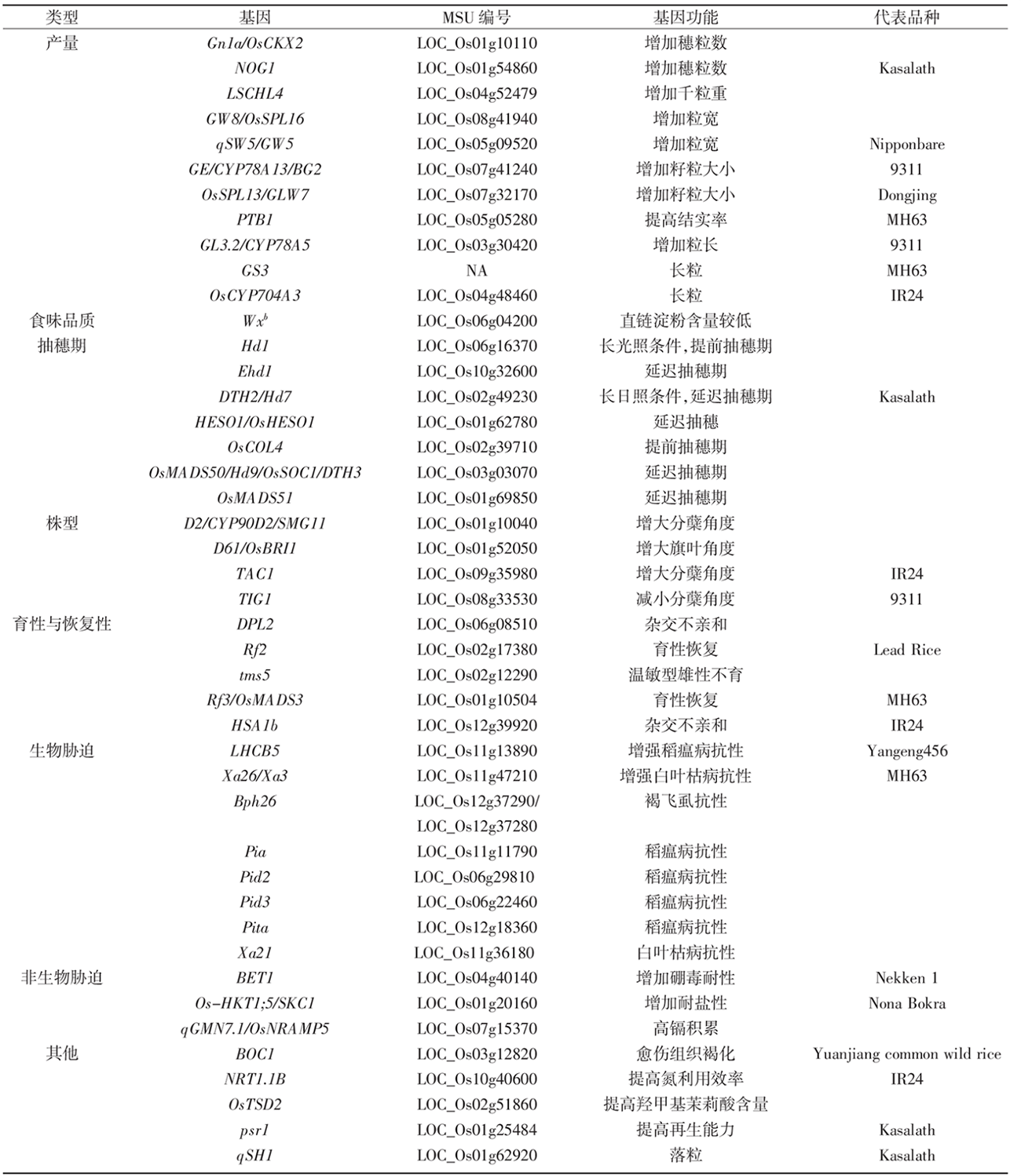
以温敏核不育基因供体Y58S和恢复系特丰2053为亲本,经过多代自交纯化与定向选择,成功选育出两系不育系信32061S。该不育系属温敏核不育系,其育性转换临界温度约为23.5 ℃,稳定不育期长达40 d以上。信32061S农艺性状优良,每穗平均颖花数约175粒,柱头形态发育良好,表面积11.49 mm2,体积1.15 mm3,总外露率68.5%,花粉量极少,且呈圆败现象,表现出极高的异交结实潜力;其遗传背景清晰,基因芯片分析显示,纯合度高达99.43%。信32061S基因组中含有14.42%的粳稻血缘成分,是一个遗传稳定且融合了粳稻优异基因资源的籼型水稻新种质,其不仅携带核心温敏雄性不育基因tms5,还聚合了多性状优良基因。在产量相关基因方面,聚合了Gn1a/OsCKX2LSCHL4GW8/OsSPL16等;在粒型相关基因方面,聚合了GS3OsCYP704A3等;在理想株型基因方面,聚合了D2/CYP90D2/SMG11D61/OsBRI1等;在抗性基因方面,聚合了LHCB5Xa26/Xa3等多个优良等位变异。基于该不育系,目前已成功组配出5个杂交稻组合。其中,信两优9328与信两优905已通过国家审定;信两优6198、信两优6112及信两优香占正在参加长江中下游中籼迟熟组及河南省区域试验与生产试验,应用前景广阔。

关键词: 水稻, 两系不育系, 信32061S, 温敏核不育, 基因聚合, 杂交稻育种

Abstract:

Using the thermo-sensitive genic male sterile (TGMS) donor Y58S and the restorer line Tefeng 2053 as parents, the two-line sterile line Xin 32061S was successfully developed through multi-generational selfing purification and directional selection. This sterile line is classified as a TGMS line, with a fertility transition critical temperature of approximately 23.5 ℃ and a stable sterile period lasting over 40 days. Xin 32061S exhibits excellent agronomic traits, including approximately 175 spikelets per panicle. It possesses well-developed stigma morphology, characterized by a surface area of 11.49 mm2, a volume of 1.15 mm3, and a total exsertion rate of 68.5%. Furthermore, pollen round abortion is nearly absent, indicating high potential for outcrossing seed-setting. Genetic background analysis using gene chips revealed a high homozygosity rate of 99.43%. Genomic analysis indicated that Xin 32061S contains 14.42% japonica rice genetic components, representing a novel indica rice germplasm with a stable genetic background that integrates elite japonica genes. In addition to carrying the core TGMS gene tms5, this line aggregates multiple genes associated with superior traits. These include yield-related genes (Gn1a/OsCKX2, LSCHL4, GW8/OsSPL16), grain shape-related genes (GS3, OsCYP704A3), ideal plant architecture genes (D2/CYP90D2/SMG11, D61/OsBRI1), and resistance genes (LHCB5, Xa26/Xa3). Based on this sterile line, five hybrid rice combinations have been successfully developed. Among them, Xinliangyou 9328 and Xinliangyou 905 have passed the National Rice Variety Approval; meanwhile, Xinliangyou 6198, Xinliangyou 6112, and Xinliangyou Xiangzhan are currently undergoing regional and production trials in the Lower-Middle Yangtze River region and Henan Province, demonstrating broad application prospects.

Key words: rice, two-line sterile line, Xin 32061S, thermo-sensitive genic male sterility, gene pyramiding, hybrid rice breeding

中图分类号: